Richard Ansett
Introduction
Selected works
Portraits (short series)
Marilyn
Man in Secure Forensic Mental Health Ward
Will & Lakella
David & Benson
Woman with Silver Slippers
Children on Wasteground
Tamsyn’s World
Mother and Daughter
Woman with Dementia and Dogs
Burn The Witch (Tina)
Lillian
Dean & Maxine
April
Nothing Matters George
Mark & Becky with Peter Andre
Connie
Man Collecting Shelkovitsa Fruit
Special Projects
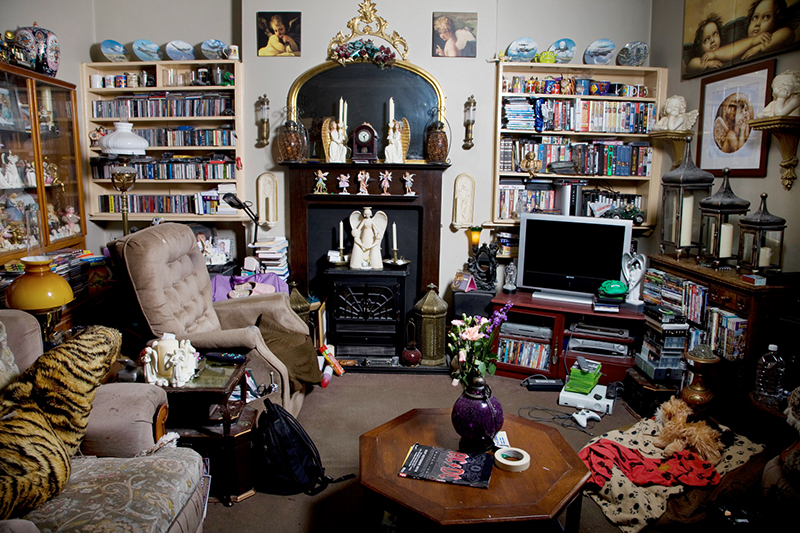
No Place Like Home ⚠️
Behind The Brutal Facade
The Women of HMP Foston Hall ⚠️
Ukraine
Boys in a City Park
Hospital Gardens
Mother & Child
Bathers
інше
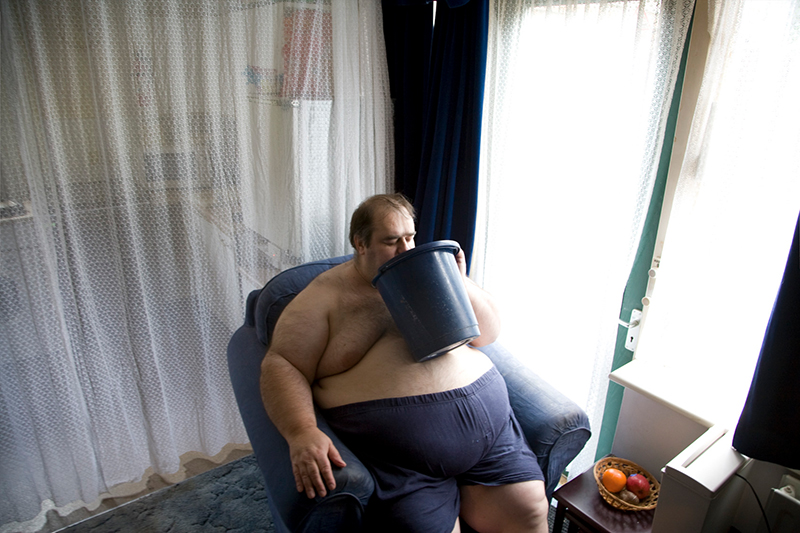
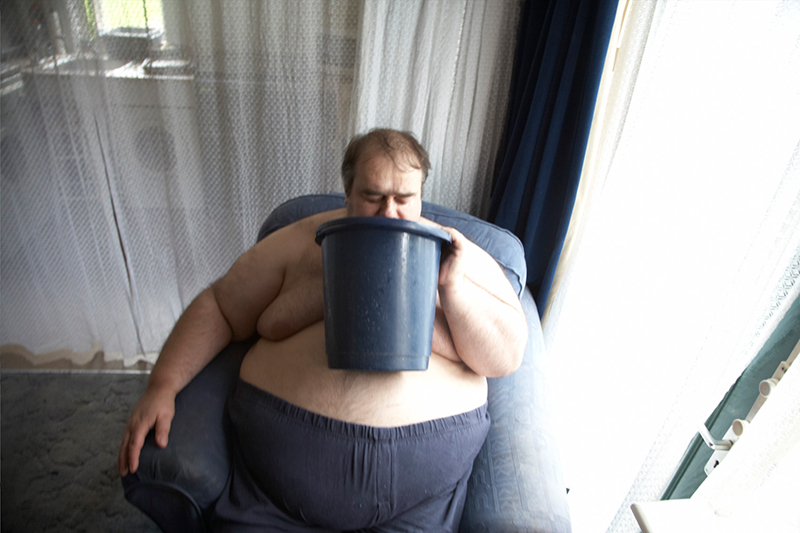
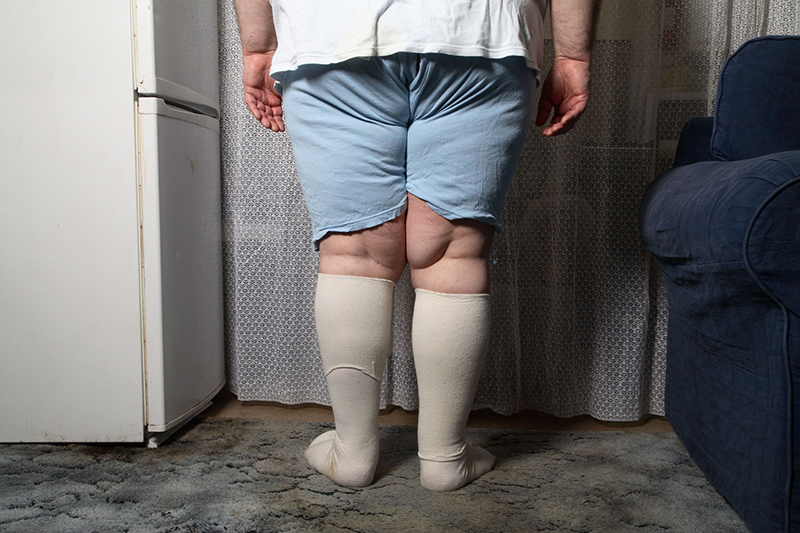
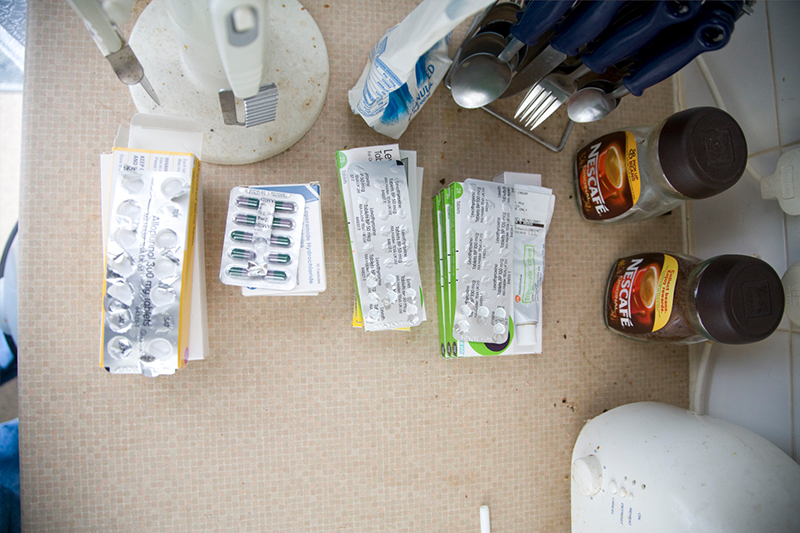
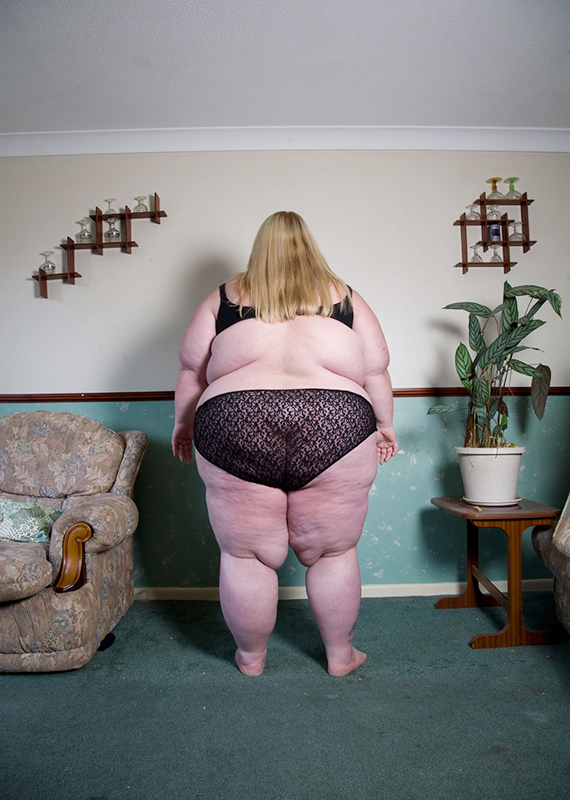
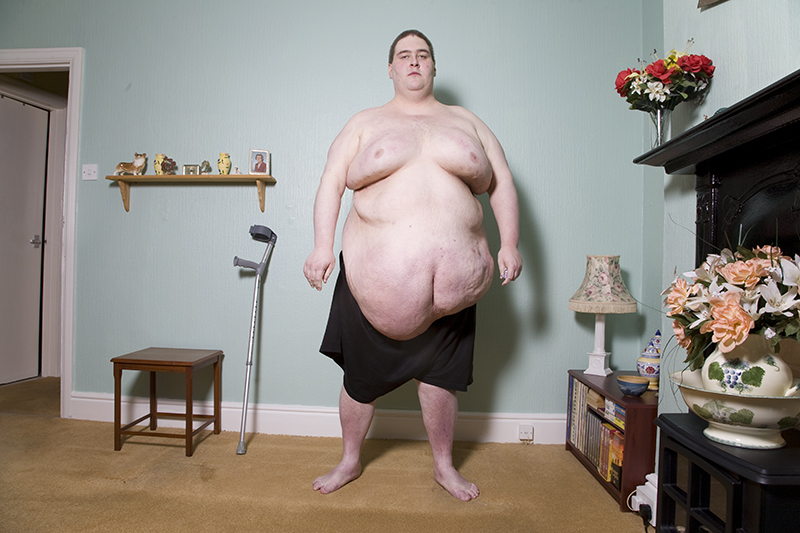
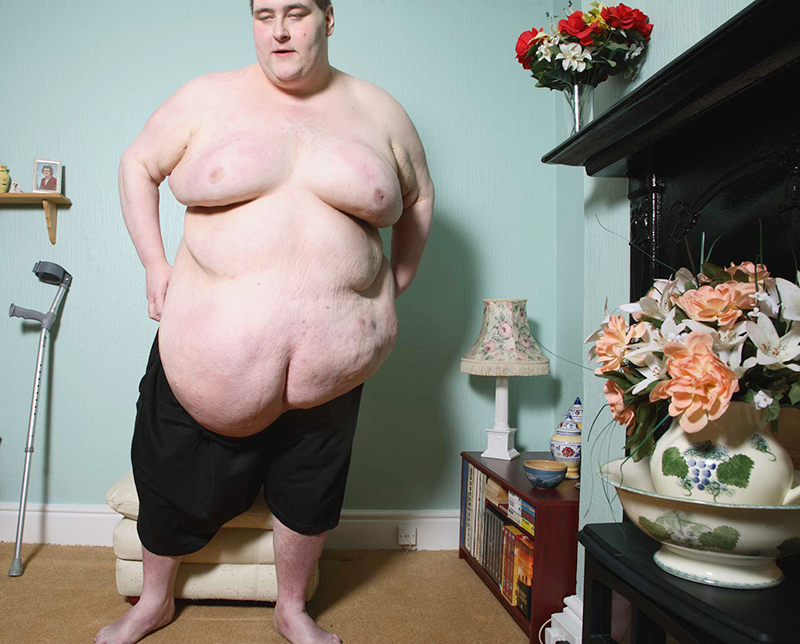
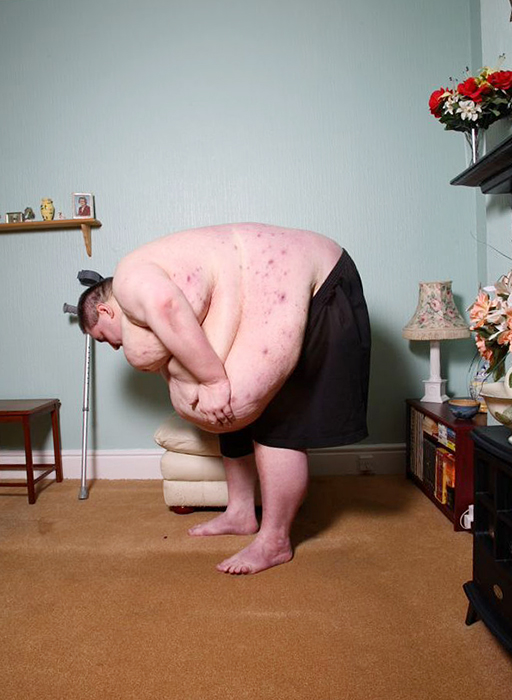
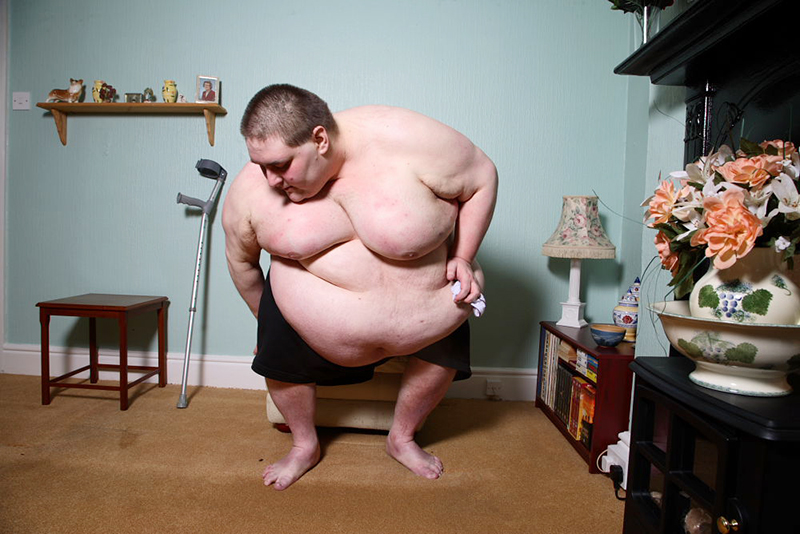
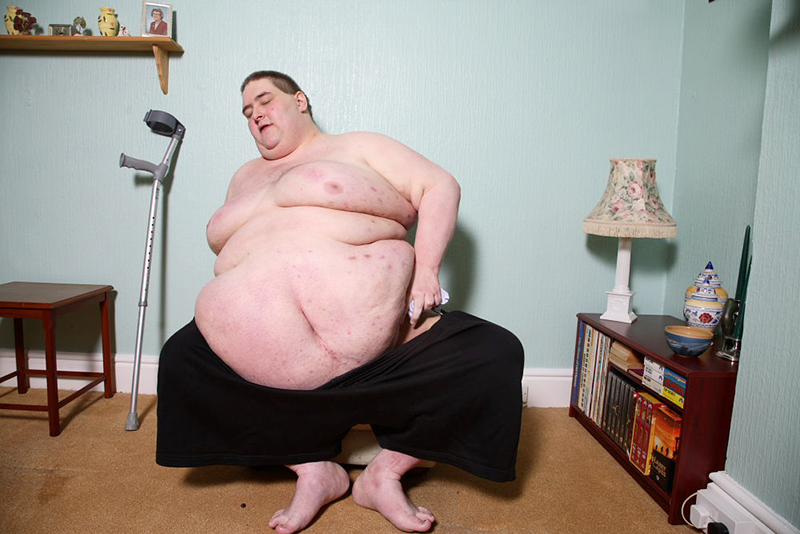
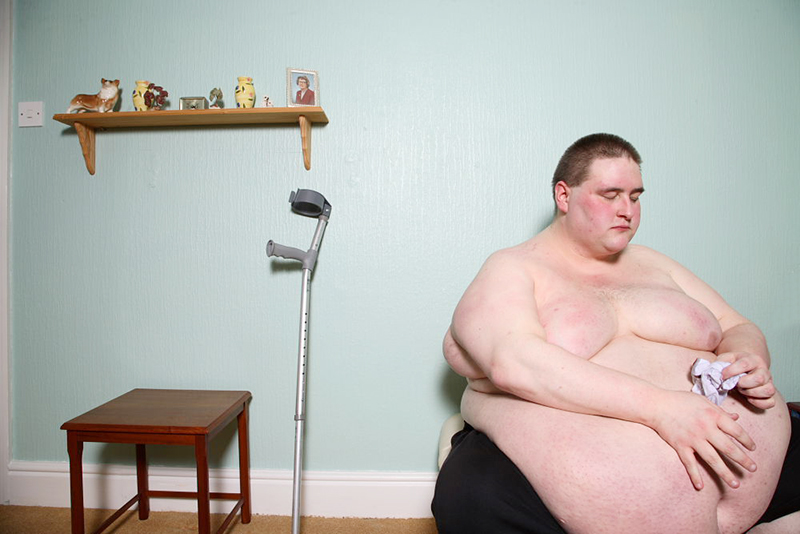
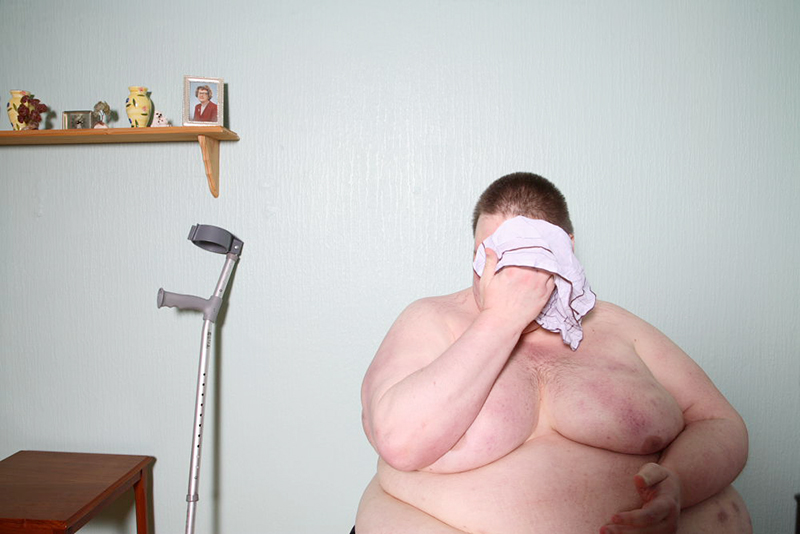
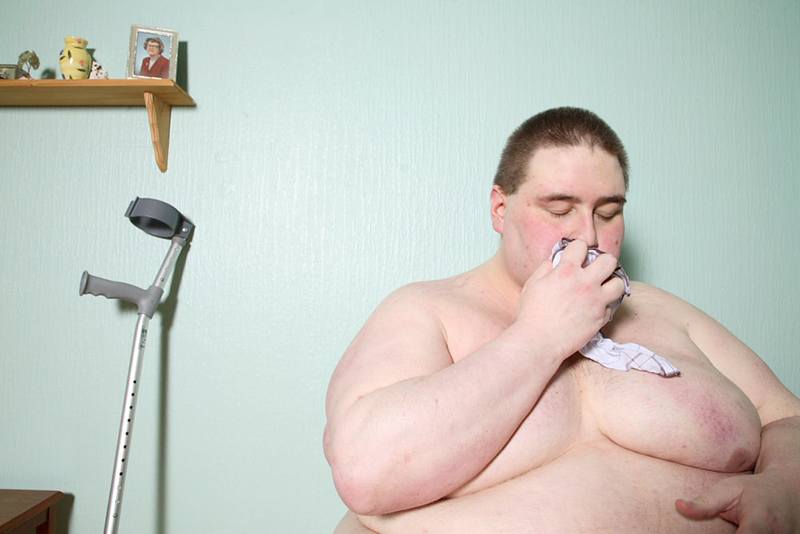
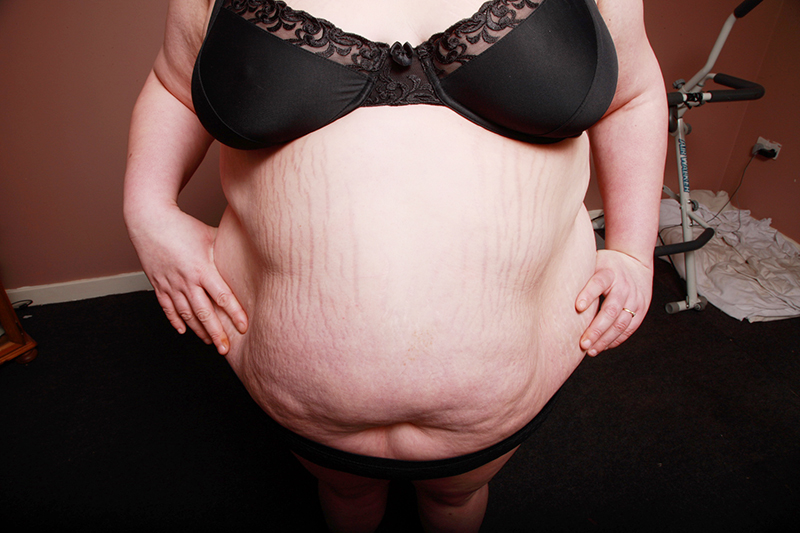
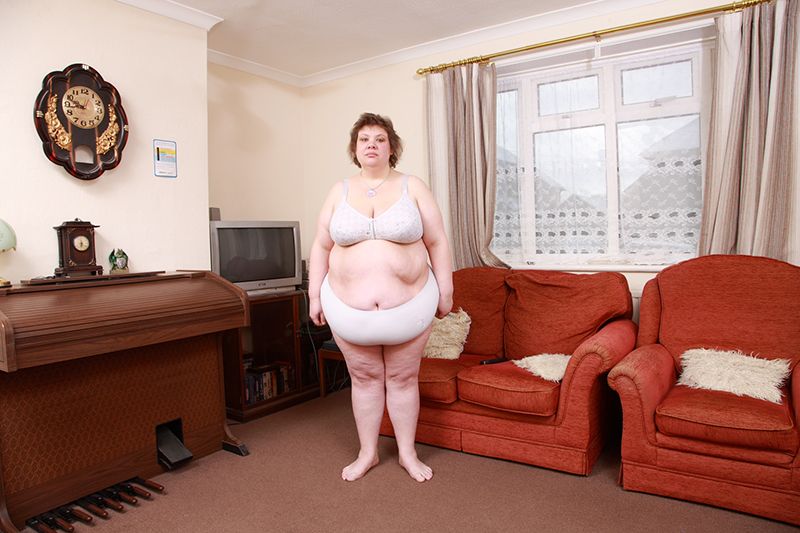
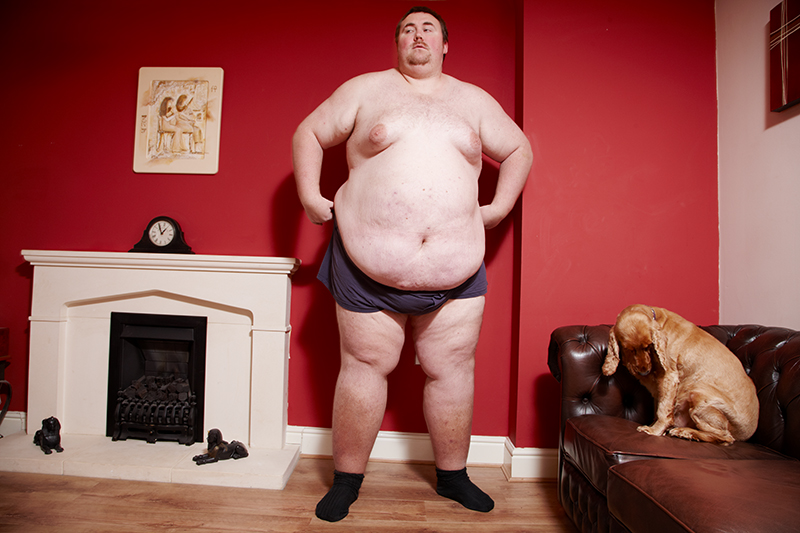
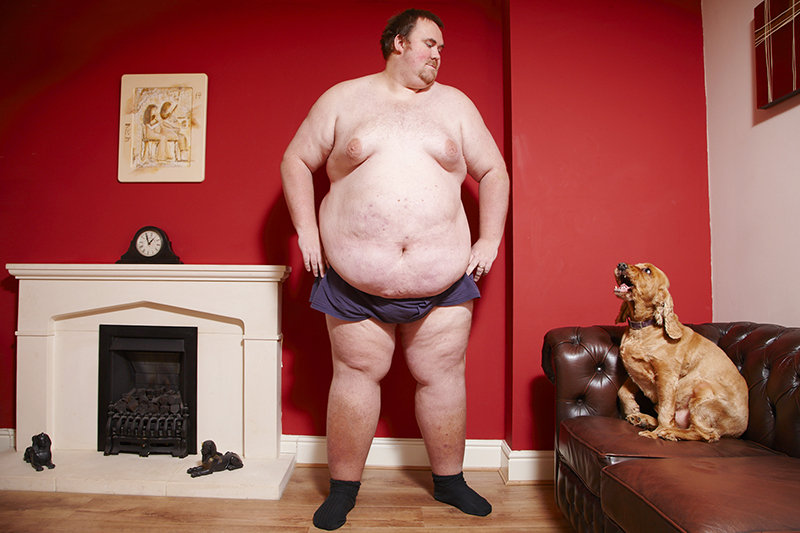
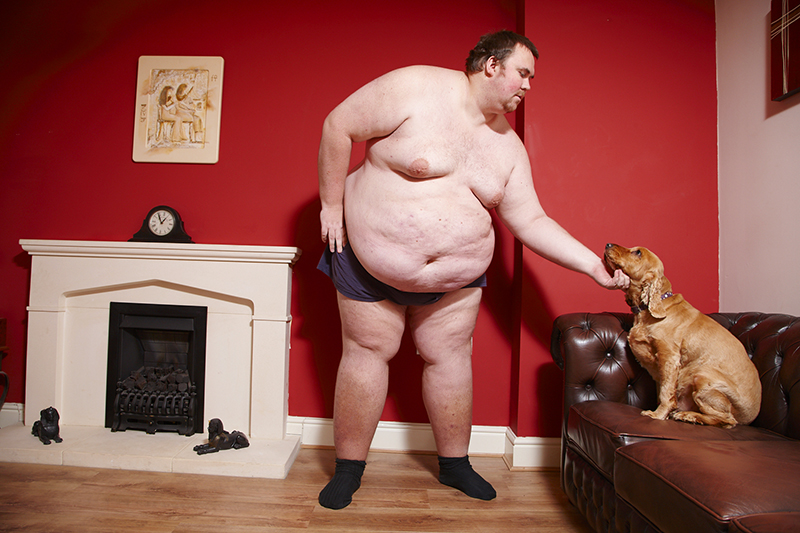
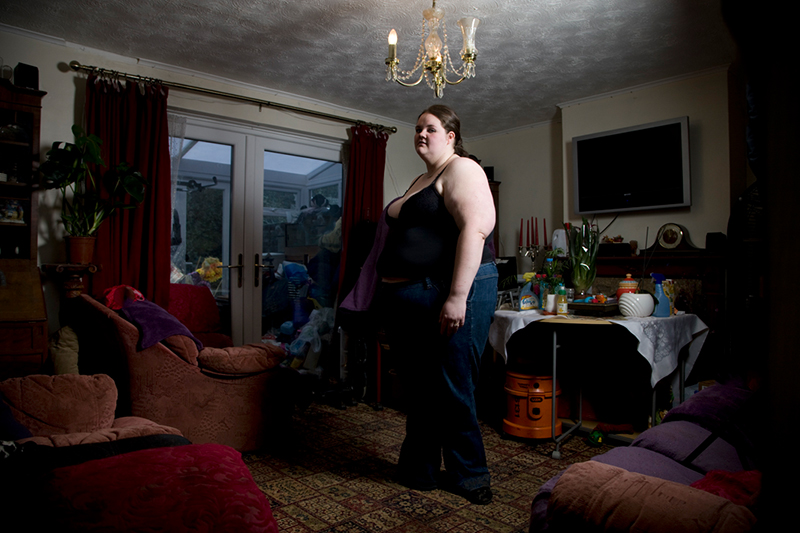
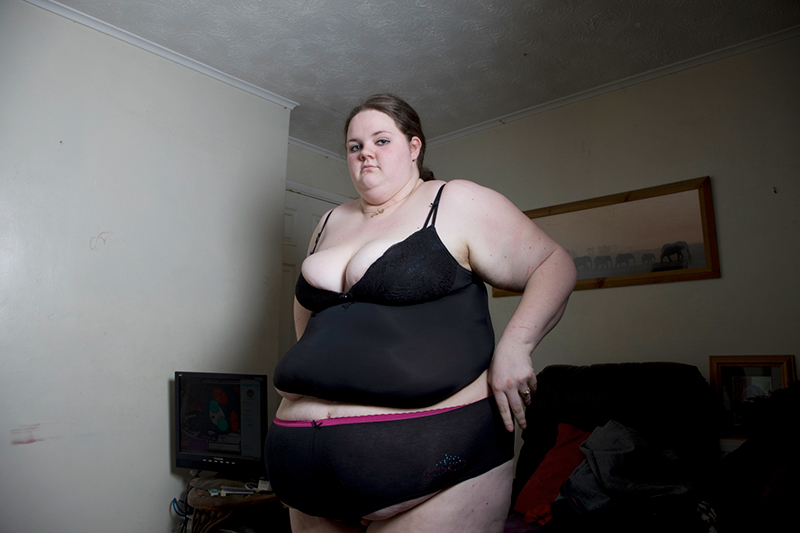
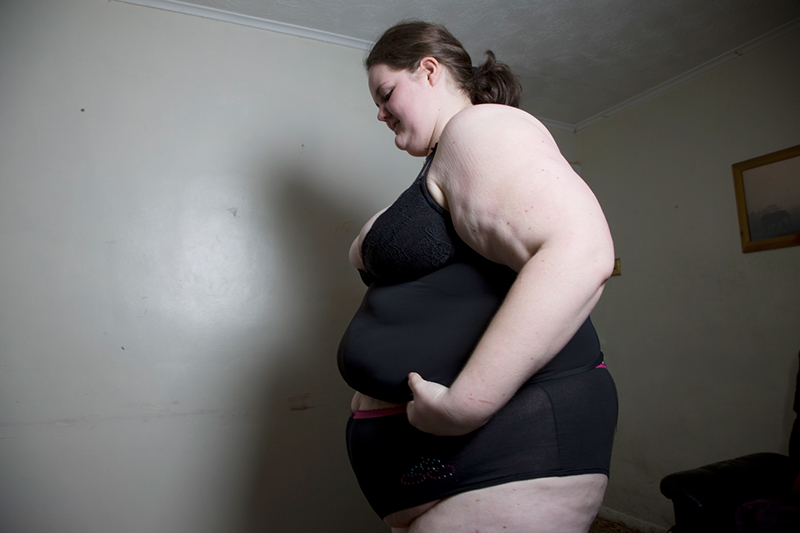
fat
Statement
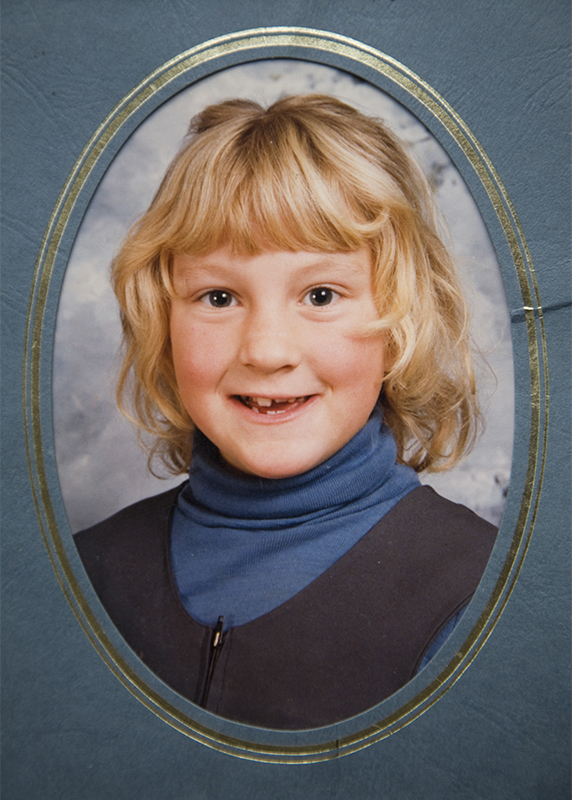
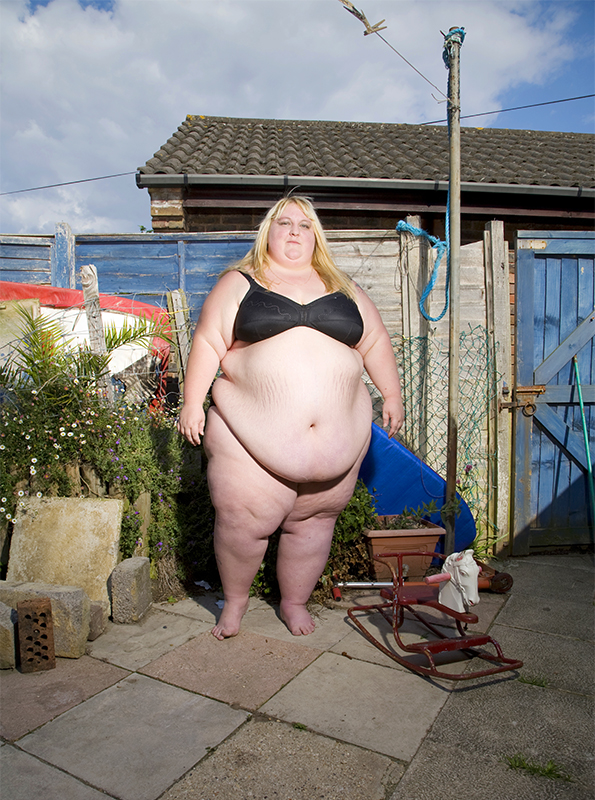
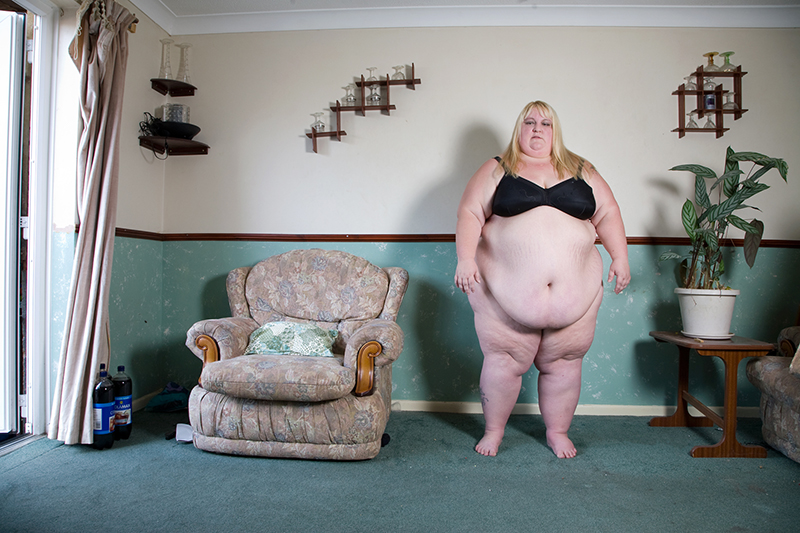
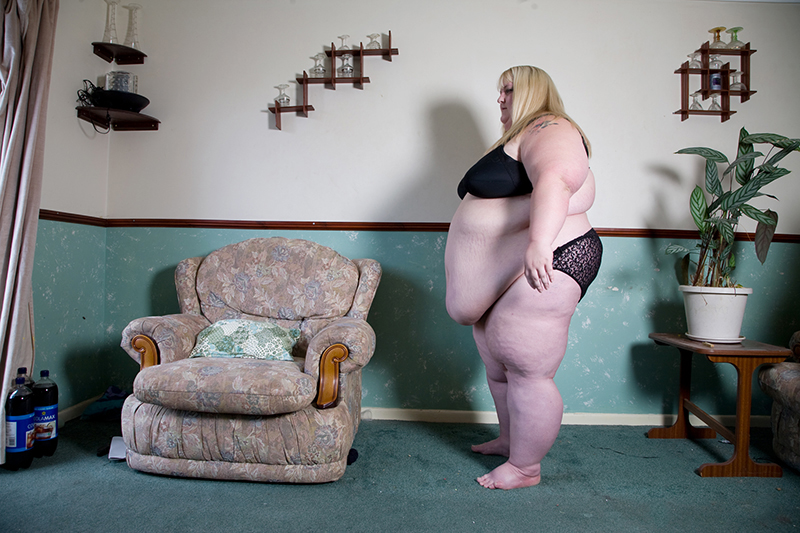
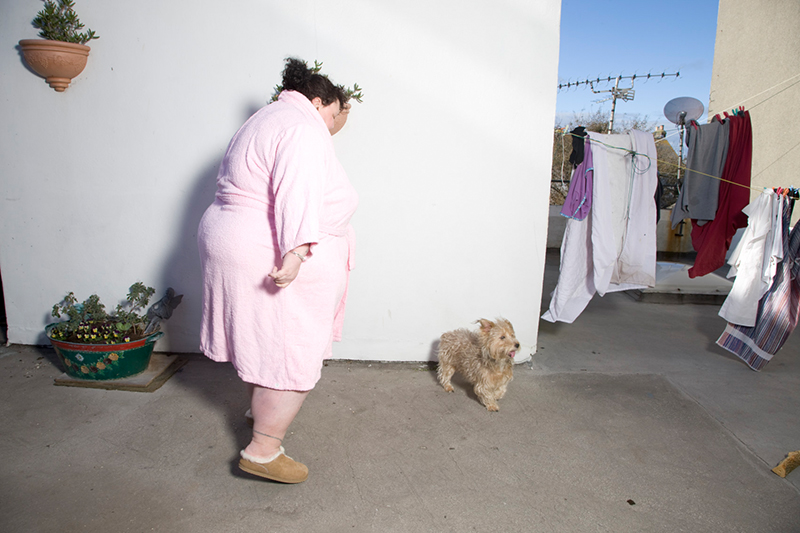
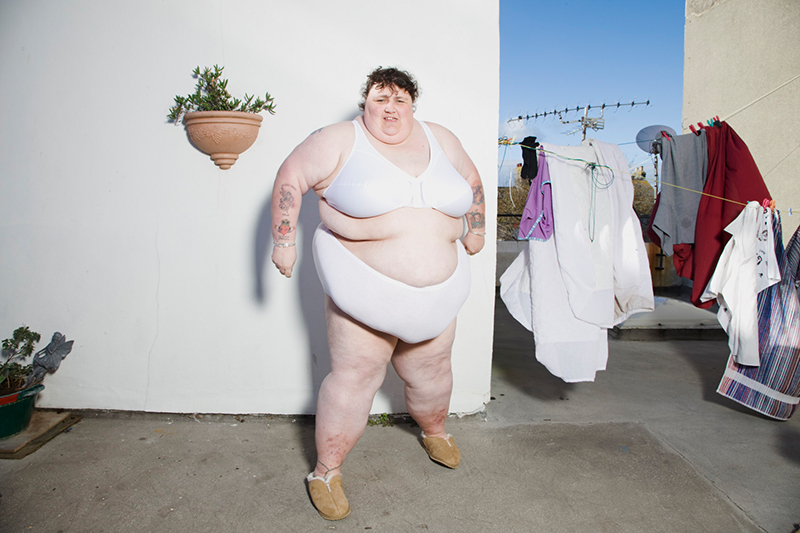
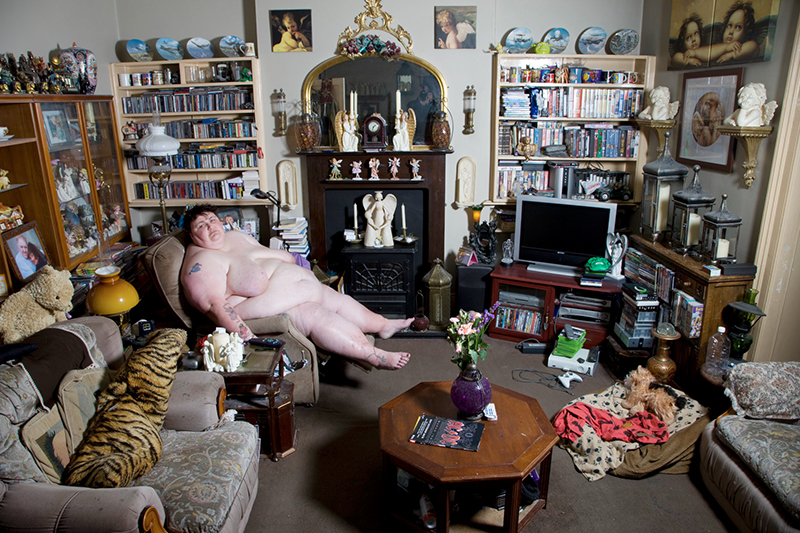
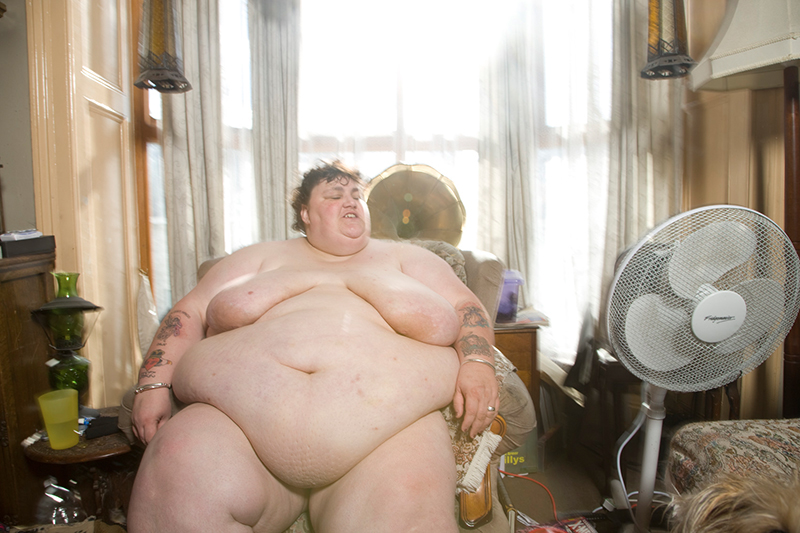
Tina
Marie Louise
The Disappeared
Protected Galleries ⚠️
Black Cock
Naked Woman with Dogs
Omar & Betty Swallocks
Naked Men with Flying Ducks
Gizmo & Tequila
Spot the Dog
Girl in Chicken Coup
Dolls House I
Playing With Dolls II
Playing With Dolls III
Mannie Coco
Sequences
NoCoatOn Fatal Attraction
Woman With Her Cat
Boris Mikhailov
Richie
Boy with ADHD
Boys with a Large Dog
9 Waffle Houses
Richard III Femur Rotation
A Typology of Soils
Paul Outside Subway
Driving Past #MacDonalds
Tina in Backyard
Paraphilic Infantilists
Alan Turns his Body for the Camera
Lamping
Documentation
+ Grayson Perry
+ Professor Stephen Hawking
+ Izolyatsia
+ Danel & Erin
+ Vehicle Activated LED Road Sign
+ Tenderpixel
+ Marie Louise
+ David Cronenberg
Community
Take One a Day /MAN UP at Usher Gallery
Lewis Fisher’s SELFIE at Royal Photographic Society and Mother London
Inside Our Autistic Minds – Murray’s Story for BBC2
The Tale of Austin Callaway – A Lynching in America at Coventry Cathedral
Behind The Brutal Facade at the Aylesbury Estate
In Situ Projections (inc. film by G.Okello)
In Situ Poster Exhibition (inc. guided tour)
Danel Grenfell Tower Survivor at the National Portrait Gallery
Are You My Mum? – Hull City of Culture
Film Is Dead (miscellaneous works)
Works I
Works II
Writing
Mother and Child
Dear Boris and Vita
American Beauty
The Yevonde Tattoos
Facuity
Film Is Dead
The American Present
The Colonial Gaze
Searching for Cindy
Gun for Hire
No Photography Allowed
Hilary Mantel
The Elephant in the Room
Archive
Ron & Roger
+ Ron & Roger Polaroids
City Trader, London 1989
Information
Personal Statement
Quotes & Articles
AllBuyArt Interview
1st Angel Interview
Fotoritim Interview
FOTOmagazin Article
Caroline Smith Article
Le Cool Guide 2009 Interview
Hunger TV Interview
Interview with Stephen Mclaren
Curriculum Vitae
CONTACT